


Fat loss, especially belly fat, is one of the most challenging aspects of weight management. Many people search for quick fixes like “32 foods that burn belly fat fast,” but the reality is, sustainable fat loss requires a balanced approach. In this article, we’ll dive into 32 foods that can help burn belly fat, bust common fat loss myths, and explain the science behind how your body burns fat.
Bursting the Myths
Myth 1: Foods Can Burn Fat Directly
The Reality:
While the idea of “fat-burning foods” is appealing, the truth is that no food can directly melt away fat from your body. Fat loss requires a calorie deficit, which means burning more calories than you consume.
The idea that eating certain foods can magically burn fat is misleading and oversimplified. While it’s true that some foods, like green tea, chili peppers, or coconut oil, may slightly boost your metabolism or improve fat oxidation, the effects are minimal when these foods are not paired with a balanced diet and regular exercise.
For example, green tea contains catechins—antioxidants that may help slightly increase calorie expenditure, but this boost is not substantial enough to lead to significant fat loss on its own. Similarly, chili peppers contain capsaicin, which can increase your metabolism slightly and contribute to fat burning, but these effects are modest and don’t replace the importance of creating a calorie deficit through a proper diet and exercise.
The bottom line is that no food is a shortcut to fat loss. Only consistent, sustainable changes to your overall lifestyle will help you achieve long-term results.
Myth 2: Spot Belly Fat Reduction is Possible

The Reality:
One of the most persistent myths in the fitness world is the concept of “spot reduction,” the idea that you can target specific areas of your body, like your belly or thighs, for fat loss by performing certain exercises.
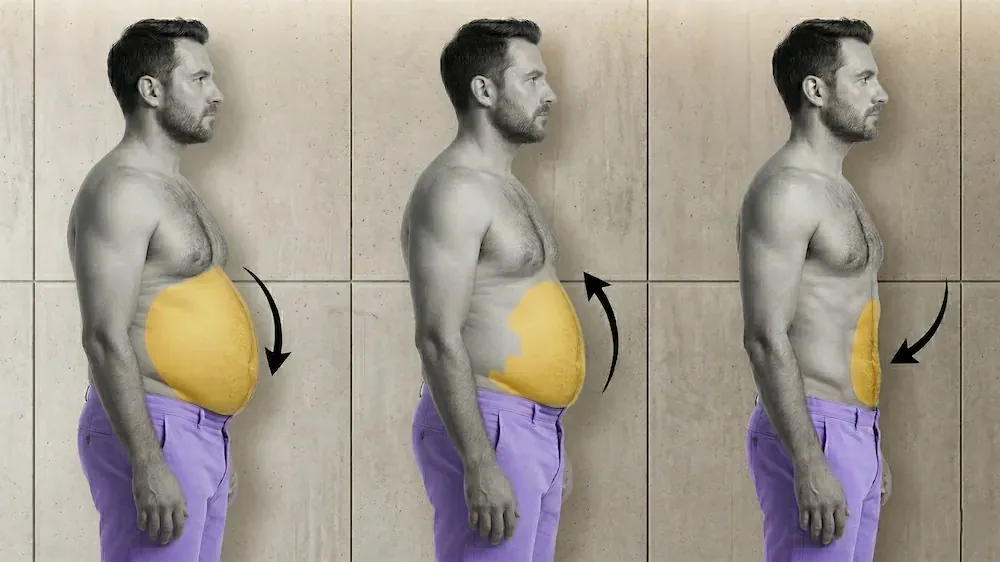
Unfortunately, spot reduction is a myth. No matter how many crunches, sit-ups, or planks you do, your body doesn’t target fat loss from a specific area. Fat burning happens proportionally across the body based on genetic and hormonal factors.
The belly is often one of the last places to lose fat due to hormonal factors, particularly the influence of cortisol (the stress hormone) and insulin (which is linked to fat storage). Additionally, genetics play a key role in how and where your body stores and burns fat.
For example, some people may store more fat in their lower body, while others may hold more weight in their belly or face. This is why, despite the focus on abdominal exercises, belly fat tends to be the hardest to lose and is typically the last to go.
Instead of focusing on spot reduction, a more effective approach is to engage in full-body workouts that increase calorie burn, combined with a balanced diet that creates a calorie deficit. Cardio exercises like HIIT or strength training will help you burn fat from all areas of the body, including the belly.
For example, some people may store more fat in their lower body, while others may hold more weight in their belly or face.
Burning Works
def calculate_total(subtotal, tip_percent):
    """Calculates the total bill with a specific tip percentage."""
    tip_amount = subtotal * (tip_percent / 100)
    total_bill = subtotal + tip_amount

    # Return formatted string rounded to 2 decimal places
    return f"Subtotal: ${subtotal:.2f} | Tip: ${tip_amount:.2f} | Total: ${total_bill:.2f}"

# Example Usage
print(calculate_total(45.50, 18))| Header | Header |
| Body | Body |
| Body | Body |
| Body | Body |
| Body | Body |
How Fat Burning Works
Calorie Deficit: The Foundation
At its core, fat loss is all about creating a calorie deficit. This means you must consume fewer calories than your body needs to maintain its current weight. When you’re in a calorie deficit, your body turns to stored fat as an energy source, thus burning fat for fuel. This is a simple yet powerful principle of fat loss.
For example, if your body requires 2,500 calories per day to maintain its current weight, but you only consume 2,000 calories (through food and drinks), your body will have to make up the difference by burning stored fat. Over time, this leads to fat loss, including belly fat, provided you’re consistent with your diet and exercise. The key to sustainable fat loss is to make small, manageable changes that lead to a consistent deficit over time, instead of drastic calorie cuts that may be difficult to maintain.
Body’s Priority in Storing & Burning Fat
Your body stores fat in different areas, including the belly, hips, and thighs, due to hormonal factors and genetics. For instance, insulin, a hormone that regulates blood sugar levels, can encourage the storage of fat, particularly in the abdominal area. Cortisol, the stress hormone, can also contribute to fat storage in the belly, making it harder to lose fat in this area.
When you create a calorie deficit, your body starts burning stored fat for energy, but it doesn’t necessarily burn fat in the order you’d like. Fat burning is not localized; instead, your body burns fat proportionally from all areas, and stubborn belly fat is often the last to go. This can be frustrating, but it’s important to understand that patience and consistency are key. With time, as you continue to follow a sustainable calorie deficit and exercise routine, belly fat will eventually decrease.
32 Foods That Burn Belly Fat Fast
Here’s the ultimate list of 32 foods that burn belly fat fast and help you achieve your fat loss goals.
16 Foods to Include for Belly Fat Loss
- Leafy Greens (Spinach, Kale, Arugula) Low in calories and high in fiber, leafy greens promote feelings of fullness, reduce calorie intake, and support digestive health, all of which contribute to fat loss.
- Salmon Rich in omega-3 fatty acids, salmon helps reduce inflammation and supports fat burning. High in protein, it also helps preserve muscle mass during fat loss.
- Chia Seeds Packed with fiber and healthy fats, chia seeds slow down digestion, keeping you fuller longer and reducing overall calorie intake.
- Apple Cider Vinegar Known for its ability to regulate blood sugar, apple cider vinegar can help reduce insulin levels and promote fat loss, especially around the belly.
- Green Tea Rich in antioxidants, green tea contains catechins that boost metabolism and fat burning, particularly around the belly area.
- Greek Yogurt High in protein, Greek yogurt helps you stay full and promotes muscle retention while losing fat. It’s also a good source of probiotics for gut health.
- Grapefruit Studies suggest that grapefruit can help reduce insulin levels, which can assist in burning belly fat and reducing overall body fat.
- Berries (Blueberries, Raspberries, Strawberries) High in fiber and antioxidants, berries help regulate metabolism and aid in digestion, which supports fat loss.
- Eggs & Meat A great source of protein, help build lean muscle mass and increase feelings of fullness, which can help with overall fat loss.
- Nuts (Almonds, Walnuts, Cashews) Nuts are rich in healthy fats, protein, and fiber. They help control appetite and stabilize blood sugar, which can contribute to fat loss.
- Sweet Potatoes These nutrient-dense root vegetables are full of fiber, which helps with digestion and stabilizes blood sugar, reducing fat storage.
- Avocados Full of monounsaturated fats, avocados can help reduce belly fat by increasing satiety and improving metabolism.
- Olive Oil A healthy fat that increases satiety and supports fat-burning by regulating blood sugar levels. Olive oil can replace unhealthy fats like trans fats and support overall fat loss.
- Coconut Oil Contains medium-chain triglycerides (MCTs), which may increase thermogenesis (the process of burning fat for energy), helping with fat loss.
- Lentils High in plant-based protein and fiber, lentils keep you feeling full for longer periods, supporting fat loss and muscle retention.
- Cucumber Extremely low in calories and high in water, cucumbers promote hydration and fullness, helping you reduce overall calorie intake.
16 Foods to Avoid for Belly Fat Loss
While certain foods can support fat burning, others hinder the process. Here are 16 foods to avoid when trying to burn belly fat:
- Sugary Beverages Sodas, sweetened teas, and fruit juices are high in sugar and contribute to fat storage, particularly around the belly.
- Refined Carbs Foods like white bread, pasta, and pastries have a high glycemic index, leading to insulin spikes and fat storage.
- Fried Foods, Fried foods are typically high in unhealthy fats and can lead to weight gain and belly fat accumulation.
- Processed Meats Bacon, sausages, and deli meats are high in unhealthy fats and sodium, which can disrupt hormone balance and increase fat storage.
- Candy and Sweets High in sugar and empty calories, candy and sweets can cause insulin resistance and promote belly fat storage.
- Alcohol, Excessive alcohol consumption can disrupt metabolism and increase fat accumulation, especially around the abdominal area.
- Full-Fat Dairy Products, While dairy is a good source of calcium, full-fat varieties are often high in saturated fats that contribute to belly fat.
- Potato Chips Packed with unhealthy fats and calories, chips are one of the worst foods for belly fat loss.
- Artificial Sweeteners, While they are low in calories, artificial sweeteners can mess with your metabolism and increase cravings for sugary foods.
- Pastries and Cakes High in sugar, refined flour, and unhealthy fats, these foods are calorie-dense and contribute to fat storage around the belly.
- Fast Food, Fast food meals are often loaded with calories, unhealthy fats, and preservatives, which can contribute to abdominal fat accumulation.
- Granola Bars, Although marketed as healthy, many granola bars contain added sugars and unhealthy fats, making them counterproductive to fat loss.
- Ice Cream, While delicious, ice cream is high in sugar and fat, both of which contribute to belly fat storage.
- High-Sodium Snacks Foods like crackers, pretzels, and canned soups are often high in sodium, which can cause bloating and increase fat storage.
- White Rice, White rice is a refined carbohydrate that can lead to blood sugar spikes and contribute to fat storage in the belly area.
- Pizza With its high-calorie toppings and refined flour crust, pizza is not an ideal food for burning belly fat.
How Foods Help in Fat Loss
Certain foods play a crucial role in supporting fat loss, not by directly burning fat, but by helping your body burn fat more effectively. These foods support metabolism, regulate hormones, and promote satiety (feeling full), which can help you stay in a calorie deficit without feeling deprived. Here are some of the ways certain foods can help with fat loss:
Boosting Metabolism:
Some foods, like green tea, cayenne pepper, and coffee, contain compounds that may give your metabolism a slight boost, helping you burn more calories throughout the day. While these effects are minimal, they can be helpful when combined with a healthy, calorie-controlled diet.
Regulating Hormones:
Fat loss is heavily influenced by hormones like insulin, ghrelin (the hunger hormone), and leptin (the fullness hormone). Foods that help regulate these hormones, like protein-rich foods (e.g., chicken, fish, beans) and healthy fats (e.g., avocado, olive oil), can help maintain a healthy hormonal balance, making it easier to lose fat.
For example, protein-rich foods help increase satiety, reducing the likelihood of overeating. On the other hand, high-fiber foods like fruits, vegetables, and whole grains can keep you full longer, which helps you maintain a calorie deficit.
Supporting Satiety:
Foods that are high in protein and fiber are especially beneficial for fat loss because they keep you feeling full longer. When you’re not constantly hungry, it’s easier to stick to your calorie goals and avoid overeating. Lean proteins (e.g., chicken breast, turkey, tofu) and high-fiber foods (e.g., broccoli, oats, quinoa) should be staples in your fat loss diet.
Reducing Inflammation:
Chronic inflammation can interfere with fat loss and promote fat storage, especially in the abdominal area. Anti-inflammatory foods, like fatty fish (salmon, mackerel), nuts, and berries, can help reduce inflammation and improve fat metabolism.
Avoiding Scammy Shortcuts
In the world of fitness and weight loss, the idea of quick fixes is a tempting but dangerous one. Many people search for “magic foods” or “fat-burning exercises” that promise a flat belly in just a few days or weeks. The truth, however, is that no single food or exercise can guarantee fat loss, especially belly fat, overnight. While certain foods like green tea, grapefruit, and cayenne pepper may have mild thermogenic effects that slightly boost metabolism, they cannot override the fundamental laws of fat loss.
While quick fixes and trendy shortcuts may sound appealing, they often come with serious consequences that can hinder your long-term health and fat loss progress.
Fad Diets: A Short-Term Solution
Many fad diets promise rapid weight loss by severely restricting calories or eliminating entire food groups. These diets may yield quick results, but they are often unsustainable and nutritionally imbalanced. When you drastically cut calories or eliminate certain foods, your body may go into starvation mode, slowing down metabolism and making it even harder to lose weight in the future. Additionally, many fad diets lack essential vitamins and minerals, leading to nutrient deficiencies. Common examples include the keto diet, juicing cleanses, and extreme intermittent fasting.
While some people may see quick results on these diets, the risks far outweigh the benefits. The weight loss is often temporary, and once you return to regular eating habits, you may end up gaining the weight back — sometimes even more. Worse, you may lose muscle mass, which further slows down metabolism and makes it harder to burn fat long-term.
Extreme Fat-Burning Pills and Supplements
The market is flooded with fat-burning pills and supplements that promise to melt away belly fat with little effort. These pills often contain stimulants or unproven ingredients that claim to increase metabolism, suppress appetite, or target fat specifically. However, the effectiveness of these products is often exaggerated, and some may even be harmful to your health. Common side effects of fat-burning pills include heart palpitations, insomnia, anxiety, and digestive issues.
Moreover, these pills can cause dependence on artificial fat-burning agents rather than encouraging healthy, sustainable lifestyle changes. The best way to support fat loss is through proper nutrition, exercise, and adequate sleep. No pill or supplement will replace the benefits of a balanced diet and regular physical activity.
Hormonal Imbalances and Muscle Loss
One of the most significant risks of shortcuts like extreme diets and fat-burning pills is the impact they have on hormonal balance. Rapid weight loss can interfere with hormones that regulate hunger, metabolism, and fat storage. For instance, cortisol, the stress hormone, may increase in response to extreme dieting or overtraining, leading to more belly fat accumulation. Similarly, insulin resistance can develop with the frequent intake of processed foods and sugary products, making fat loss even more difficult.
Extreme fat loss tactics can also cause muscle loss, which is detrimental to your metabolism. When you lose muscle mass, your body burns fewer calories, making it easier to gain weight and harder to lose it in the future. Preserving muscle is vital for long-term fat loss, which is why focusing on strength training alongside a balanced diet is critical. Losing weight too quickly can also lead to loose, sagging skin and a decrease in skin elasticity, which is difficult to reverse.
A Balanced, Science-Based Approach to Fat Loss
The most effective way to burn belly fat and achieve a lean, healthy body is through a balanced, science-based approach. Rather than seeking quick fixes, focus on making gradual, sustainable changes to your diet and lifestyle. Here are some tips to avoid scams and focus on what works:
- Create a Calorie Deficit: Consume fewer calories than your body needs for maintenance. Aim for a moderate calorie deficit (usually 300-500 calories less than your daily needs) to lose fat at a healthy pace.
- Exercise Regularly: Incorporate both cardio and strength training exercises into your routine. Cardio helps burn calories, while strength training preserves muscle mass, which is essential for maintaining metabolism.
- Prioritize Protein and Fiber: Eating foods high in protein (like lean meats, eggs, and legumes) and fiber (such as vegetables, fruits, and whole grains) helps you feel fuller longer, reducing overall calorie intake.
- Sleep and Recovery: Don’t underestimate the importance of sleep and rest. A lack of sleep can increase hunger hormones, making it harder to stick to your diet and exercise plan.
- Consistency is Key: Fat loss takes time. Be patient and focus on making consistent, healthy choices every day.
By avoiding scams and sticking to these sustainable, science-backed strategies, you can achieve lasting fat loss results and improve your overall health.
Frequently Asked Questions
Are there any foods that can speed up fat loss?
Some foods can help support fat loss by increasing metabolism or improving fat oxidation, but the effects are generally modest. Foods like green tea, chili peppers, and coconut oil can provide a slight metabolic boost, but they should be incorporated into a well-rounded, calorie-controlled diet.
Is it possible to target belly fat specifically with certain foods or exercises?
No, spot reduction is a myth. You cannot target fat loss in specific areas of your body, such as your belly, through exercise or food alone. Fat loss occurs evenly throughout the body, and a combination of cardio, strength training, and healthy eating will help reduce overall body fat, including belly fat.
How can I make sure I’m losing belly fat effectively?
The most effective way to lose belly fat is by maintaining a calorie deficit through a combination of diet and exercise. Focus on consuming nutrient-dense foods, controlling portion sizes, and engaging in regular physical activity, including both cardio and strength training. Aim for 7-9 hours of sleep per night and manage stress levels to support fat loss.
How does exercise support belly fat loss?
Exercise helps burn calories, increase muscle mass, and improve metabolic health, all of which support fat loss. Cardiovascular exercises (like running, cycling, or swimming) help burn calories, while strength training (such as weightlifting) builds muscle, which increases your resting metabolic rate and helps burn more calories at rest. Combining both types of exercise is the most effective way to lose fat, including belly fat.
Conclusion
Incorporating 32 foods that burn belly fat fast into your diet can be a great way to support fat loss and work towards a leaner, healthier body. But remember, there are no quick fixes when it comes to fat loss. Achieving your fat loss goals requires patience, consistency, and dedication to healthy eating and regular exercise. By avoiding processed foods and focusing on nutrient-dense, whole foods, you can achieve sustainable fat loss and improve overall health.