


Ideas are powerful. They can inspire innovation, fuel creativity, and transform lives. But even the best ideas mean nothing without action. Success doesn’t come from waiting for the perfect moment or overthinking the next step. It comes from taking consistent, focused action.
In this guide, I’ll share actionable strategies and a personal story to help you turn your ideas into reality—one step at a time.
Why Success Isn’t About Luck
It’s easy to look at someone successful and think they got lucky. But luck is often the by product of consistent effort and focus.
Earlier this year, I was stuck in a corporate job I didn’t love. I dreamed of building something meaningful—a SaaS company and freelance business that could change lives, including my own. But I was paralyzed by too many ideas. Every time I made progress on one, I got distracted by a shiny new idea.
The result? Nothing got done. I wasn’t moving forward.
Too Many Ideas? Here’s How to Choose the Right One
One of the biggest challenges I faced was deciding which idea to pursue. Each one seemed equally promising, and I couldn’t choose. This constant switching drained my energy and left me feeling stuck.
How I Chose My Idea
I finally realized the key to progress wasn’t waiting for the perfect idea—it was committing to one and following through. After much reflection, I picked a SaaS product idea: a quiz and calculator generator for lead generation.
Here’s how you can choose your idea:
- Ask Yourself the Right Questions:
- Which idea excites me the most?
- Which aligns with my long-term goals?
- What’s the smallest step I can take today?
- Score Your Ideas: Rate them on impact, ease of execution, and alignment with your goals.
- Commit to One Idea: Accept that you’ll need to let go of the others, at least temporarily.
Action Step: Write down your top 3 ideas. Evaluate them and pick one to focus on for the next 30 days.
Action Creates Momentum
Once I chose my idea, I knew I needed a plan to stay consistent. I committed to a 2-hour time block every day to work on it—no excuses. I also made a promise to myself: I would start with what I had and figure out the rest as I went.
How Starting Led to Clarity
Initially, I worried about not knowing every detail of the product. But I quickly learned that answers often reveal themselves when you start.
For example:
- When I began designing the wireframe, I only had ideas for the first section. As I worked, new ideas for the next sections naturally emerged.
- When I started coding, solving one problem led to new insights on how to tackle the next.
This taught me an important lesson: solve today’s problems today, and let tomorrow’s problems wait for tomorrow.
Action Step: Dedicate a specific time block each day to work on your idea. During that time, take one small step forward, no matter how imperfect.
Overcoming Fear and Procrastination
Fear of failure and procrastination were two major roadblocks I had to overcome. I realized that waiting for the perfect conditions—like an astrologer waiting for the ideal “muhrat”—was just another excuse.
My Approach to Action
- Start Imperfectly: Perfectionism was my biggest enemy. Instead of waiting to “get everything right,” I began working with what I had.
- Break It Down: I divided my project into small tasks. Each day, I asked myself, What’s the best next step I can take?
- Focus on Progress, Not Outcomes: I stopped obsessing over future hurdles and focused on solving the immediate problem.
Action Step: Write down one small task you can complete today to move your idea forward. Then do it without overthinking.
The Philosophy That Changed Everything
As I progressed, I developed a simple philosophy that helped me stay focused:
- Solve Today’s Problems Today: Thinking too far ahead often overwhelmed me. Instead, I focused on solving one problem at a time. This approach kept me moving forward.
- Action Unfolds Answers: I learned that clarity comes from action, not overthinking. Each step revealed the next, making the process faster and more intuitive.
Example: When I started coding, I didn’t have the entire structure mapped out. But as I tackled the first part, the next step became obvious. This momentum allowed me to complete the project faster than I expected.
Action Step: Adopt this mindset today. Focus on completing just one task instead of worrying about the big picture.
5 Steps to Turn Your Ideas Into Reality
Here’s the exact process I followed to bring my SaaS product idea to life:
- Clarify Your Idea: Define what success looks like and identify the first actionable step.
- Set Time Blocks: Dedicate a fixed time every day to work on your idea. Consistency matters more than intensity.
- Start Imperfectly: Begin with what you have, even if it’s messy or incomplete.
- Solve One Problem at a Time: Focus on solving today’s challenges instead of worrying about future ones.
- Build Momentum: Celebrate small wins and use them to fuel your motivation.
Action Step: Start with Step 1 today. Write down your idea, block out time in your calendar, and take the first action.
Need Help Staying on Track?
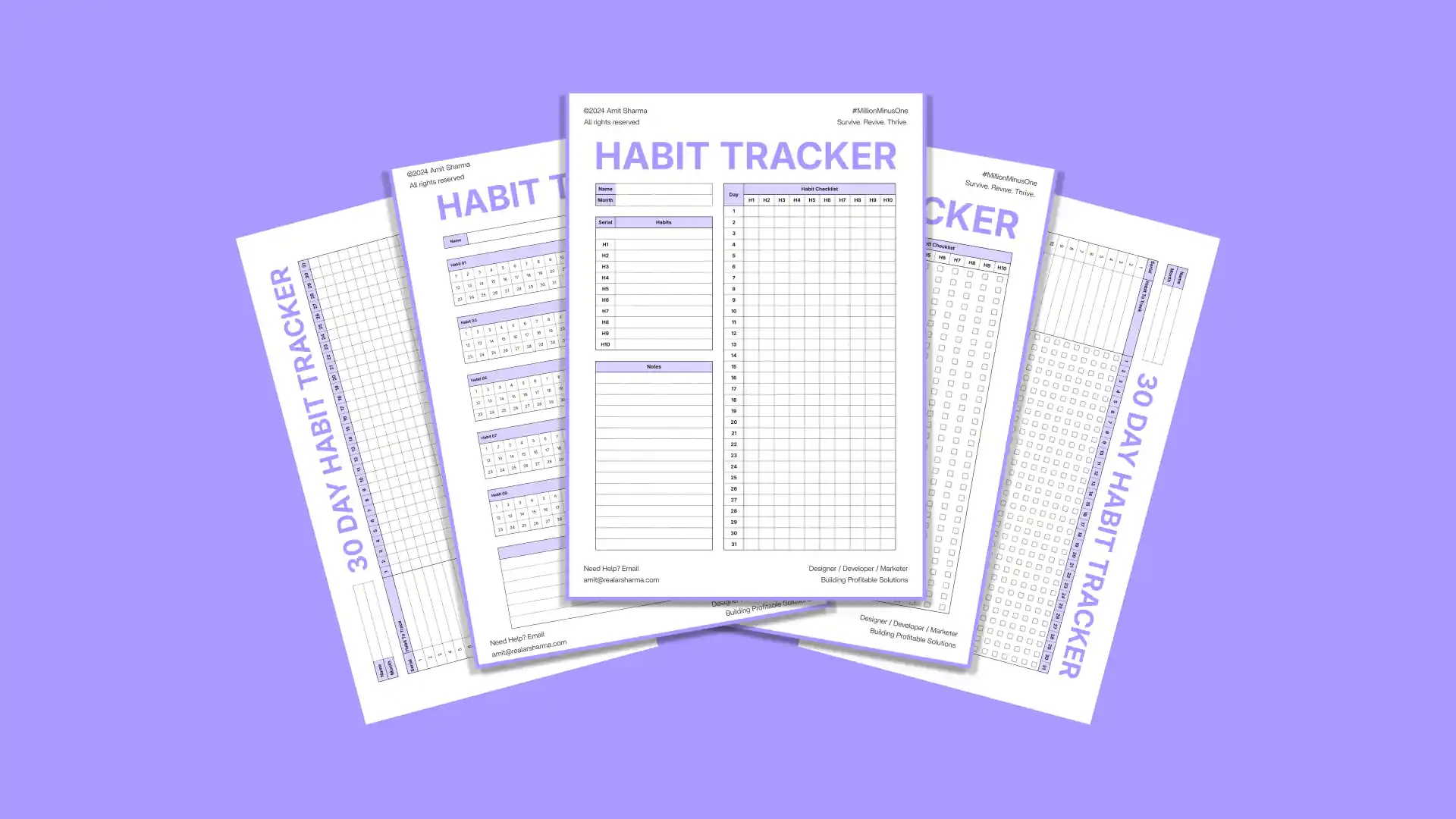
If you’re struggling to stay consistent, try using tools like habit trackers. I used this method to hold myself accountable and measure my progress.
Check out my blog on 5 Free Printable Habit Tracker Templates for 2025 to download templates and learn actionable tips.
Frequently Asked Questions
How do I overcome fear of failure?
Start small. Each step forward reduces fear as you gain confidence. Remember, failure is just feedback for improvement.
What if I don’t have time?
Dedicate even 15 minutes a day to your idea. Consistency compounds over time.
What if my idea doesn’t work?
Treat it as a learning experience. Each attempt refines your skills and brings you closer to success.
Can I work on multiple ideas at once?
Focus on one idea at a time. It’s better to make progress on one than to be stuck on many.
How do I stay motivated?
Celebrate small wins and remind yourself why you started. Keep your end goal in sight.
How do I handle distractions while working on my idea?
Distractions can derail your focus, so set boundaries to minimize interruptions. Use tools like website blockers or work in a distraction-free environment. Break your work into time blocks and commit to staying focused during those periods.
What if I feel overwhelmed by the size of my project?
Break your project into smaller, manageable steps. Focus on completing one task at a time rather than worrying about the entire journey. This approach not only makes your work less intimidating but also builds momentum. Check out 5 Powerful Steps to Overcome Analysis Paralysis Today for actionable strategies.
How do I track my progress effectively?
Tracking progress helps you stay motivated. Use a habit tracker, journal, or project management tool to monitor milestones. For templates and tips, explore 5 Free Printable Habit Tracker Templates for 2025.
What if I lose motivation halfway through?
Revisit your “why.” Remind yourself of the purpose and benefits of achieving your goal. Surround yourself with a supportive community or accountability partner to keep you inspired. Celebrate small victories to reignite your passion.
Should I seek feedback on my idea?
Yes! Feedback is invaluable. Share your progress with trusted mentors, peers, or your target audience. Constructive input can help refine your idea and identify potential pitfalls early.
How do I balance working on my idea with other commitments?
Time management is crucial. Prioritize your idea by scheduling dedicated time for it, even if it’s just 15–30 minutes daily. Use productivity techniques like the Pomodoro method or time-blocking to maximize your efficiency.
Conclusion: Take Action Today
The best ideas aren’t the ones you think about—they’re the ones you act on. By taking small, consistent action and solving problems as they arise, you’ll build momentum and bring your idea to life.
The world doesn’t change because of the ideas you keep in your head—it transforms when you take action. Think about how your idea could impact not just your life but the lives of others. Imagine the pride of seeing your vision come to life and the ripple effect it could create.
Remember, every great invention, business, or movement started with someone daring to take the first step. You don’t have to be perfect; you just have to begin.
What would it feel like to look back a year from now and know you took action today? Powerful, right? That future is within your reach. Take that small step right now, and let the momentum carry you forward.