


The Real Problem with Overthinking
In a world overflowing with self-help advice, “perfect” plans, and endless how-to guides, it’s easy to feel paralyzed, especially when it comes to big goals like losing weight. Instead of taking action, I found myself caught in a loop of planning, researching, and waiting for the “right” time to start. Every day, I told myself, “Tomorrow, I’ll begin.”
This cycle had a name: analysis paralysis. It’s what happens when overthinking stops you from making decisions or moving forward. For months, I felt stuck—physically and emotionally—watching myself spiral further into my weight issues, unable to overcome analysis paralysis and take action.
I scrolled through countless articles and watched endless videos on diet plans, hoping to find the perfect one. Yet, every day ended with the same result—inaction. I wasn’t getting closer to my goal of losing weight, and it left me feeling frustrated, guilty, and unmotivated.
Then, I heard a quote that completely changed my perspective:
“The magic you are looking for is in the work you are avoiding.”
That simple realization was my wake-up call. It wasn’t about finding the perfect solution or diet plan—it was about taking action, no matter how small, to break free from the cycle of inaction.
What is Analysis Paralysis?
Analysis paralysis occurs when overthinking and fear of failure prevent you from taking action. Instead of making progress, you feel stuck, doubting every decision you could make.
This happens because our brains are wired to avoid risks. Common thoughts include:
- “What if I fail?”
- “What if this doesn’t work?”
While these concerns are valid, they often lead to a bigger problem: inaction. And inaction is the real obstacle to success.
Why Action is the Only Solution
No amount of planning can replace the value of action. In fact, success often comes from overcoming obstacles and adapting to challenges along the way. Action creates momentum, and momentum builds progress.
When you act, you:
- Learn from real-world experience, not theory.
- Gain confidence as you see results.
- Develop habits that make progress feel automatic.
Step 1: Start with a Small Action
If you’re stuck, the best way forward is to begin with the simplest, smallest step. Small actions are powerful because they feel manageable and create quick wins.
My Personal Experience
For years, I was frustrated with myself. I kept reading about health and fitness, but all that information led nowhere. I wasn’t getting closer to my goals.
The turning point came when I decided to climb stairs. It wasn’t a grand plan or an elaborate routine—just twenty floors, twenty steps each.
What started as a small habit soon transformed my life. In just 12 weeks, I lost 12 kg. The magic wasn’t in the perfection of my plan; it was in the consistency of my action.
Step 2: Break Your Goal into Manageable Pieces
Big goals can feel overwhelming, which is why breaking them into smaller, actionable steps is crucial.
For example:
- Instead of “get fit,” focus on “climb stairs for 10 minutes daily.”
- Instead of “write a book,” start with “write 300 words today.”
- Instead of “save money,” begin with “set aside $10 this week.”
This approach helps you focus on what you can do now instead of worrying about the bigger picture.
Step 3: Push Through Challenges
Every journey has its setbacks. For me, motivation was a constant struggle. I didn’t have much time, and climbing stairs left me drenched in sweat with aching legs.
Worse, my brain kept playing tricks on me, convincing me I was too tired to continue. By the second round, I’d feel mentally fatigued.
But I made a promise to myself: No matter what, I would complete my goal. Even if I missed a morning session, I’d climb at night—sometimes as late as 1 a.m. There was no escaping the work.
The key wasn’t eliminating challenges; it was refusing to let them stop me.
Step 4: Track Your Progress
Tracking your progress is a simple yet powerful way to stay consistent.
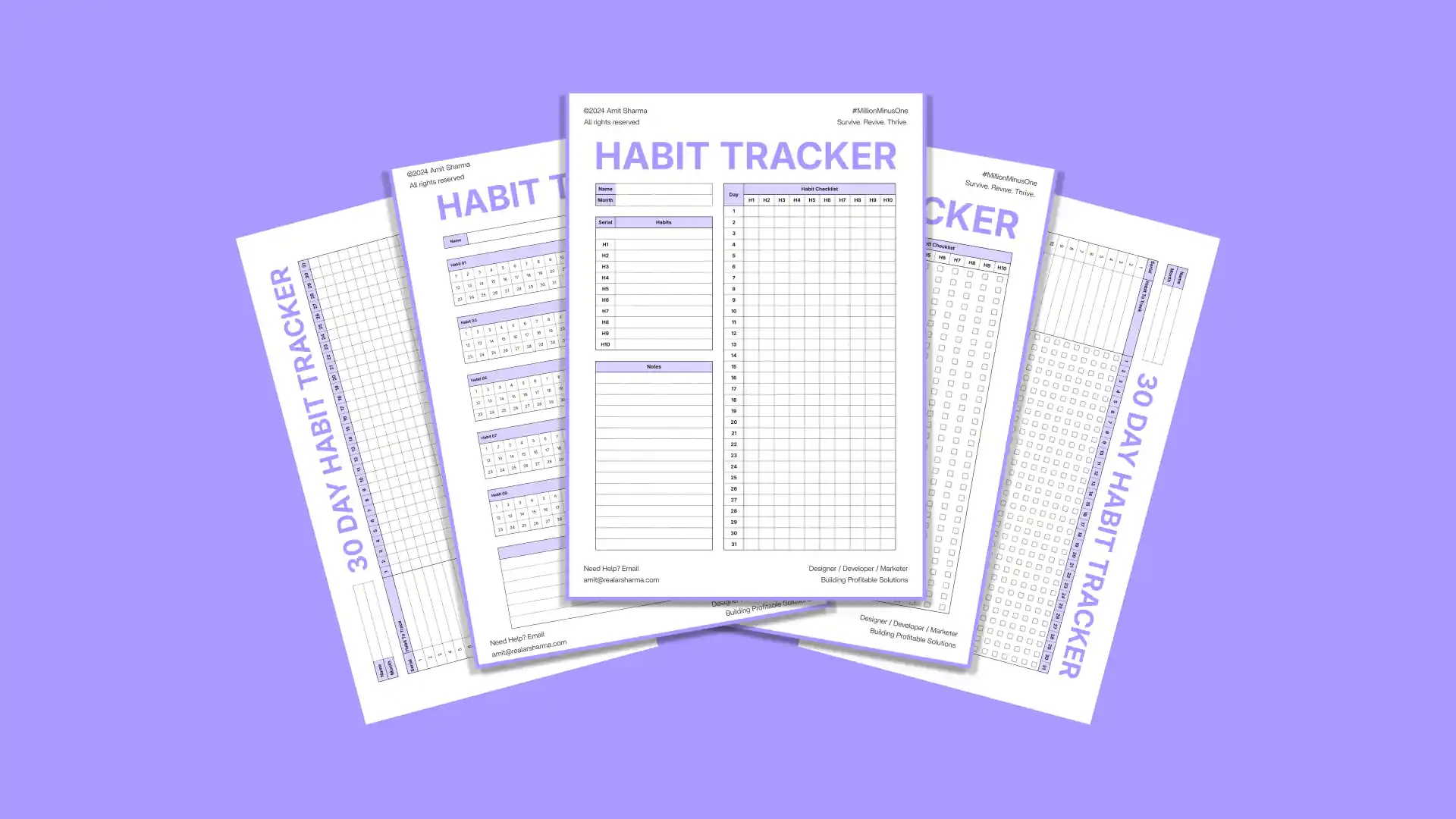
I used a habit tracker, coloring a box each time I completed my stair-climbing routine. Over time, this small act of tracking kept me accountable and motivated. It also encouraged other positive habits, like eating healthier and joining a gym.
If you’re ready to build habits, read my 5 Free Printable Habit Tracker Templates for 2025. This blog include the DATA technique (Define, Align, Track, Adjust), a method designed to help you turn small actions into lasting habits.
Step 5: Celebrate Progress, No Matter How Small
Progress isn’t just about reaching the finish line—it’s about appreciating every step along the way. Acknowledging your achievements, no matter how small, keeps you motivated and builds momentum.
For instance:
- Climbing stairs daily? Celebrate your first week of consistency.
- Saving money? Treat yourself after hitting your first milestone.
- Writing regularly? Share your progress with friends for encouragement.
The Real Toll of Inaction
For months, I felt like I was treading water—emotionally and physically. I’d wake up every morning with a vague sense of unease, knowing I wasn’t moving closer to my goals. My energy levels dipped, and I started to feel sluggish and unmotivated. Worse, I became critical of myself. I’d think, “Why can’t I just start?” This inner dialogue was exhausting, creating a cycle of guilt and self-doubt that felt impossible to break.
The Fear of Failing Before Starting
Looking back, I realize fear was a major roadblock. I was terrified of putting in the effort only to fail—or worse, realizing I wasn’t capable of change. The thought of starting from scratch and falling short kept me stuck in endless planning mode. The longer I waited, the more overwhelming the goal seemed, until even small actions felt pointless.
A Wake-Up Call in One Sentence
When I read the quote, “The magic you are looking for is in the work you are avoiding,” it felt like someone had shone a light on my excuses. I wasn’t stuck because I didn’t know what to do—I was stuck because I didn’t want to face the discomfort of starting. That single realization flipped a switch. I didn’t need the perfect plan; I needed to stop avoiding action.
My Story: Losing #12KgIn12Weeks
As I decided I would walk stairs daily, on the first day, I knew I might not follow through with this habit. So, I did two things: I created a Habit Tracker for myself to track progress, building a chain of daily action, and I started uploading daily vlogs on Instagram to make it a social commitment to stick with it.
Day by day, these two habits helped me continue my stair-climbing journey. I could see the weight loss on the scale.
So, in a few days, I scaled my stair climbing from 1 round of 20 floors to 10 rounds of 20 floors, which took me around 1.5 hours to complete. I began to feel tired, but I never skipped. I knew it: “Skipping a habit is the start of a new habit of skipping.” Whenever I missed a morning session, I’d surely do it at night as well and punish myself by reducing calories. Yeah, it’s hard, but it was the only way I could stay regular.
Every day when I was climbing, my mind was unfolding the next steps automatically. I created a diet plan, a workout plan, joined the gym—everything planned in my head. While my brain screamed with other options, I knew that this climbing routine was my way forward.
Over time, in 12 weeks, I lost 12 kg. Watch Transformation Video: #12KgIn12Weeks Transformation Video
What Worked for Me in Conclusion
- Tracking the Habit
- Making It Social
- Skipping Punishment
- Progressive Increments
- Isolation Thinking on Stairs
Frequently Asked Questions
How can I overcome analysis paralysis?
Start by identifying the smallest possible action you can take. Even five minutes of action can break the cycle of overthinking and build momentum.
What if I lose motivation?
Motivation fluctuates, so focus on discipline. Set non-negotiable rules, like completing your task regardless of how you feel.
Can small actions really lead to big results?
Absolutely! Small actions compound over time, creating significant results. They also build confidence, making larger goals more achievable.
How do I stay consistent?
Use tools like habit trackers or set reminders. Celebrate small wins to stay motivated and accountable.
What’s the DATA technique?
The DATA technique stands for Define, Align, Track, Adjust. It’s a framework for building habits through small, consistent actions. Read More Here 5 Free Printable Habit Tracker Templates for 2025.
Conclusion: Take Action Today
If you’ve been overthinking and waiting for the perfect moment to take action, today is your time to start.